Satellite Telemetry Redundancy in Trans-Saharan Travel
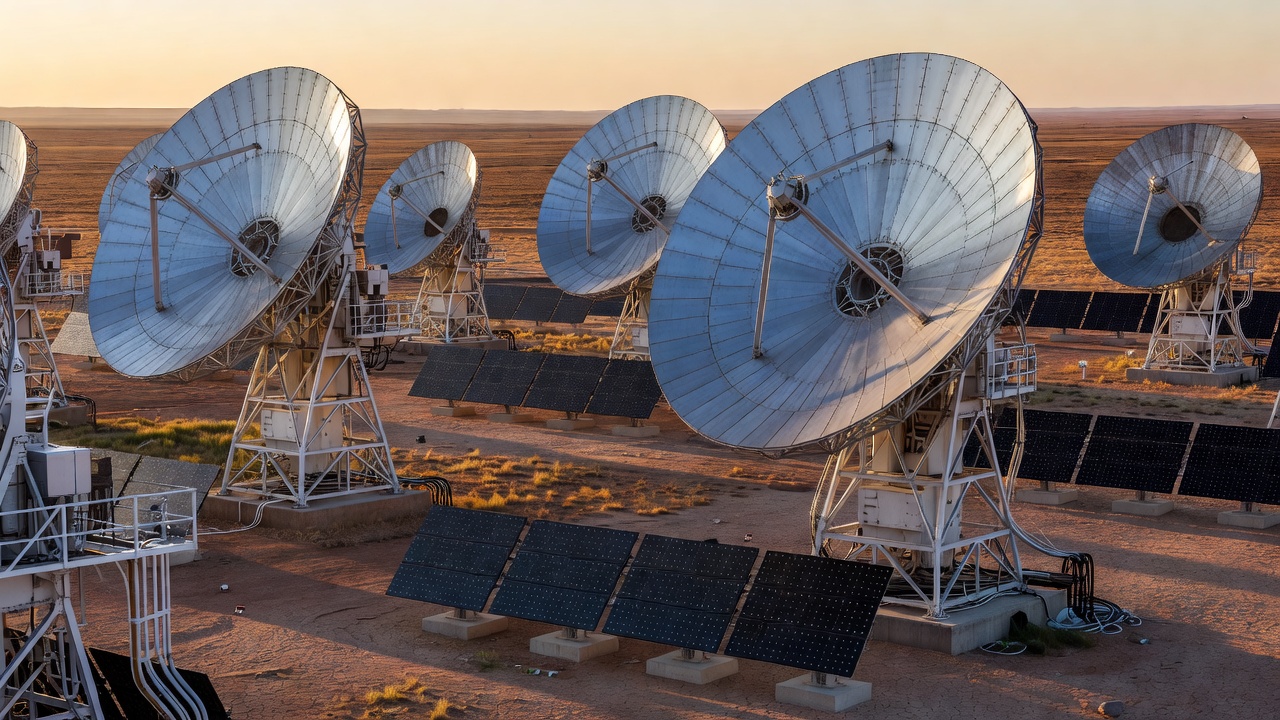
Crossing remote desert regions like the Tenere or Grand Erg Oriental presents severe connectivity dead zones where terrestrial cellular towers do not exist. To maintain vehicle safety, real-time battery status monitoring, and weather warning alerts, expedition platforms require automated dual-satellite failover.
1. Dual-Provider LEO Architecture
Showzaqust platforms utilize high-speed Low Earth Orbit (LEO) Ku-band satellite dishes combined with ultra-reliable L-band satellite transceivers (Iridium SBD). Primary high-bandwidth diagnostic data routes through LEO satellite arrays, while heartbeats and SOS signals automatically switch to L-band when sandstorms degrade Ku-band signal propagation.
2. Automatic Failover Latency & Power Consumption
Maintaining satellite dishes under constant power can consume up to 120W continuously. Our smart power routers cycle LEO antennas into low-power sleep modes, activating broadband transceivers only during scheduled telemetry syncing windows or when critical diagnostic alerts trigger.
| SATELLITE BAND | AVG LATENCY (MS) | BANDWIDTH | SANDSTORM RELIABILITY |
|---|---|---|---|
| Ku-Band Flat High-Perf | 35 - 55 ms | 220 Mbps | 72.4% (Attenuation) |
| L-Band Short Burst Data | 1,200 - 2,500 ms | 340 bytes/msg | 99.9% (Unaffected) |
| Dual Failover Array | Auto Switch | Dynamic | 99.98% Guarantee |
For detailed telemetry integrations, visit our Expedition Support Desk or return to Intelligence Catalog.